Archives
- 2026-10
- 2026-09
- 2026-08
- 2026-07
- 2026-06
- 2026-05
- 2026-04
- 2026-03
- 2026-02
- 2026-01
- 2025-12
- 2025-11
- 2025-10
- 2025-09
- 2025-03
- 2025-02
- 2025-01
- 2024-12
- 2024-11
- 2024-10
- 2024-09
- 2024-08
- 2024-07
- 2024-06
- 2024-05
- 2024-04
- 2024-03
- 2024-02
- 2024-01
- 2023-12
- 2023-11
- 2023-10
- 2023-09
- 2023-08
- 2023-07
- 2023-06
- 2023-05
- 2023-04
- 2023-03
- 2023-02
- 2023-01
- 2022-12
- 2022-11
- 2022-10
- 2022-09
- 2022-08
- 2022-07
- 2022-06
- 2022-05
- 2022-04
- 2022-03
- 2022-02
- 2022-01
-
br Materials and methods br Results br Discussion Chronic ne
2022-04-20
Materials and methods Results Discussion Chronic neuroinflammation underlies the pathogenesis of HAND (Saylor et al., 2016, Sodhi et al., 2004). Infected immune cells release viral proteins and inflammatory factors which act on microglia, astrocytes, and neurons to produce the synaptodendri
-
A further generally applicable approach for the synthesis of
2022-04-20
A further generally applicable approach for the synthesis of N-linked glycopeptides involves the convergent Lansbury aspartylation of glycosylamines. Here, the detrimental formation of aspartimides during the activation of the side chain aspartate can be prevented through the use of Ser/Thr pseudopr
-
Finally the formation of a regular network of fusion
2022-04-20
Finally, the formation of a regular network of fusion glycoproteins in their post-fusion state is not exclusive of vesiculovirus G. More or less regular networks have been also observed with other class III fusion glycoproteins such as pseudorabies gB [85] and several class II fusion glycoproteins [
-
The following are the supplementary data related to this art
2022-04-20
The following are the supplementary data related to this article. Author contribution Conflict of interest Introduction Thrombosis (arterial and venous) is a major cause of vascular obstructive diseases including myocardial infarction, cerebral infarction and pulmonary embolism. Glycoprote
-
moclobemide sale Introduction Carbohydrates are some of the
2022-04-20
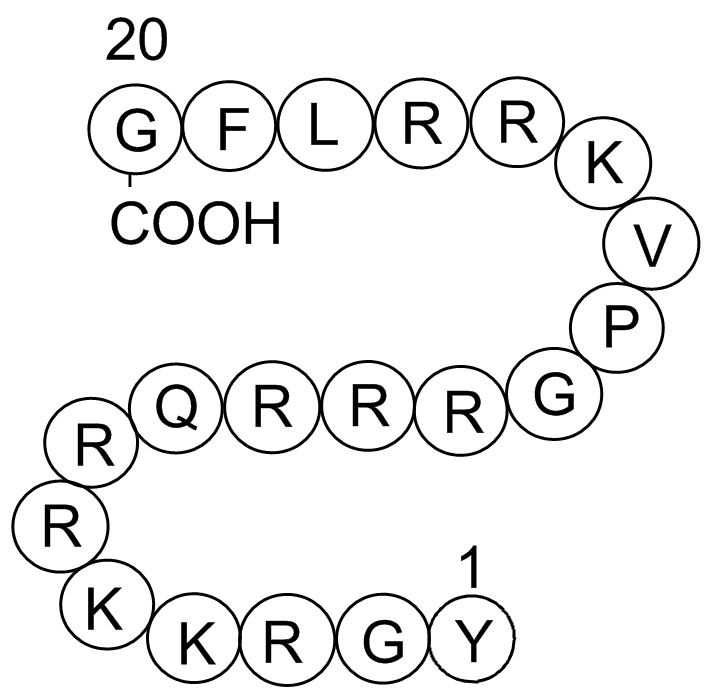
Introduction Carbohydrates are some of the most stereochemically complex biological molecules found in nature. In addition to their energetic and structural roles in living systems, their role when covalently linked to proteins is critically important in a myriad of molecular recognition processes.
-
While the S site has been
2022-04-20
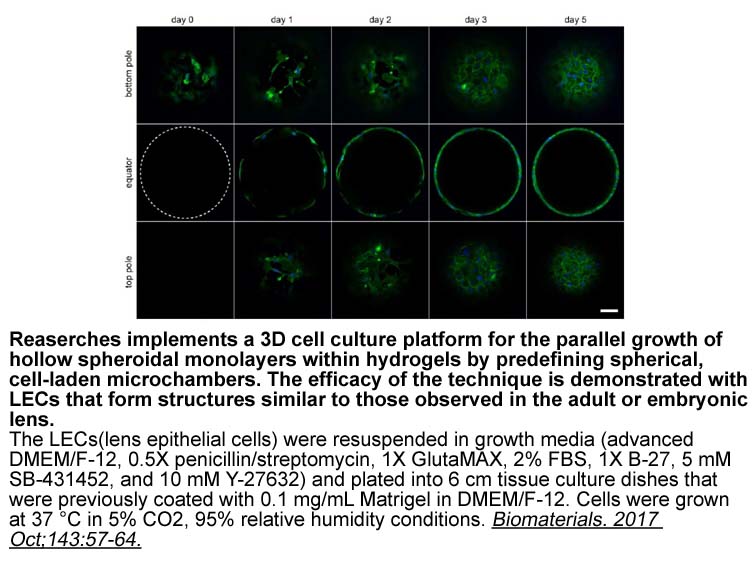
While the S2 site has been implicated in binding, it l-name is unclear whether the S2 site plays a role in the substrate transport process. Crystal structures have revealed that different drugs and detergents can bind to the S2 site of SERT [8] and LeuT [[13], [14], [15]]. However, there are no cry
-
br Conclusion br Acknowledgments br Introduction Throughout
2022-04-20
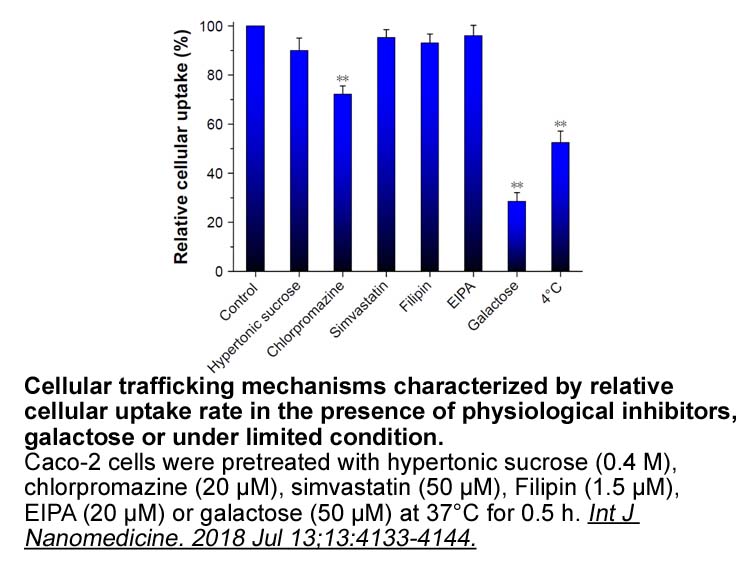
Conclusion Acknowledgments Introduction Throughout history, there is literature that supports the notion that animals can be perceived as “healing”. Overall, there is an increased interest in the general field of Animal Assisted Therapy (AAT). Though the field of equine-facilitated psychoth
-
As many of the above
2022-04-19
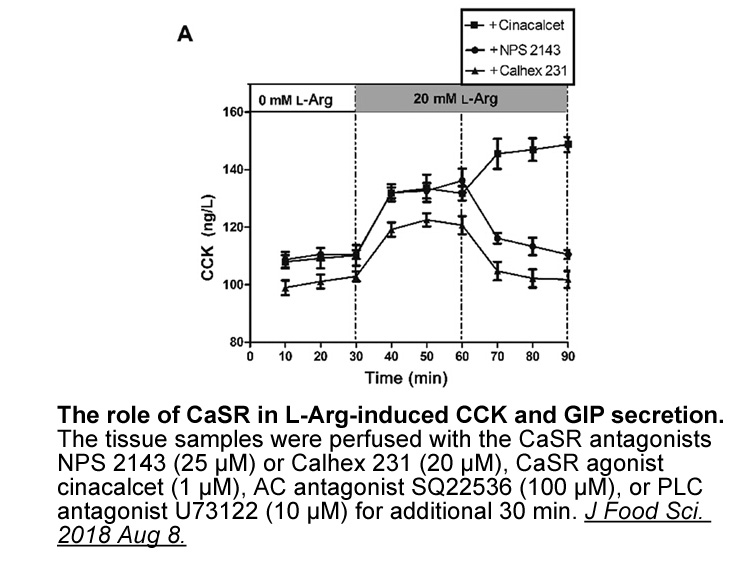
As many of the above studies highlight, several decades of research on Cx43 has revealed that many of these functional roles are attributed to the C-terminal domain (CT) of this protein which cannot be explained by the formation and existence of intercellular channels. Recent findings on the existen
-
palmitic acid sale Nicastrin is heavily glycosylated contrib
2022-04-19
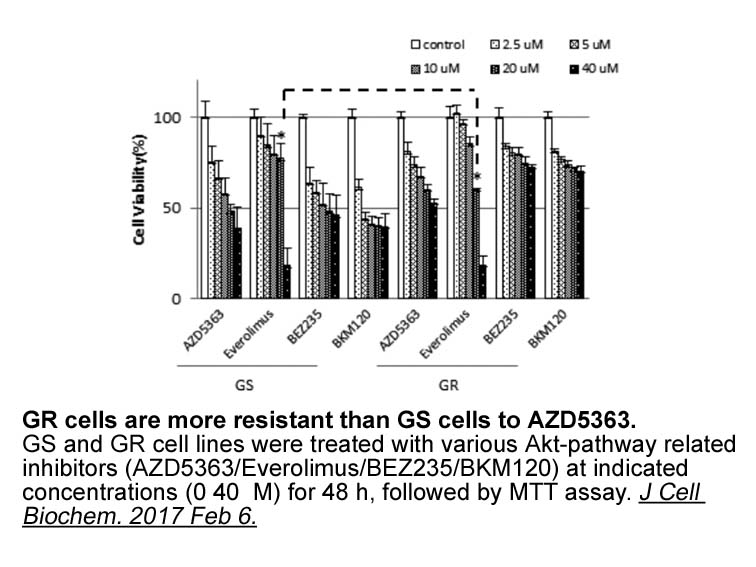
Nicastrin is heavily glycosylated, contributing 40–70KDa to the molecular weight of human γ-secretase. Among the 16 predicted N-linked glycosylation sites in the ECD, 11 have been unambiguously identified. The glycans appear to mostly stabilize the local structure, thus contributing to the folding a
-
We hypothesize that HBO increases GABA
2022-04-19
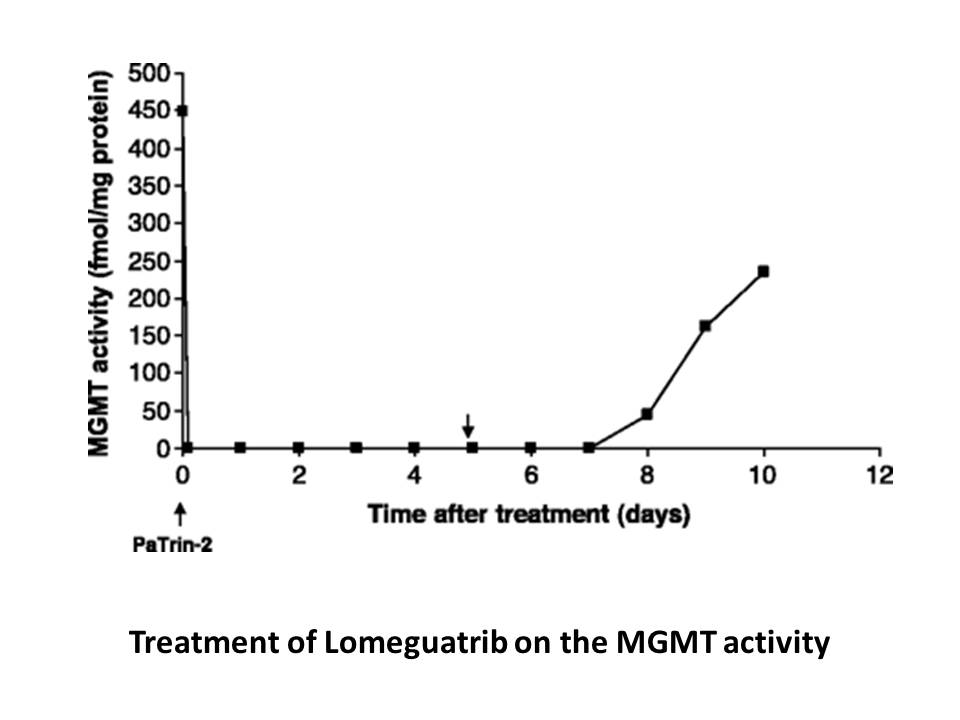
We hypothesize that HBO2 increases GABA activity at the GABAA receptor via a nitric oxide dependent mechanism. Blotting for the phosphorylated β3 subunit of the GABAA receptor should theoretically be increased when there is more GABA activity at the receptor (McDonald et al., 1998). We expected that
-
br Materials and Methods br Results br Discussion In the
2022-04-19
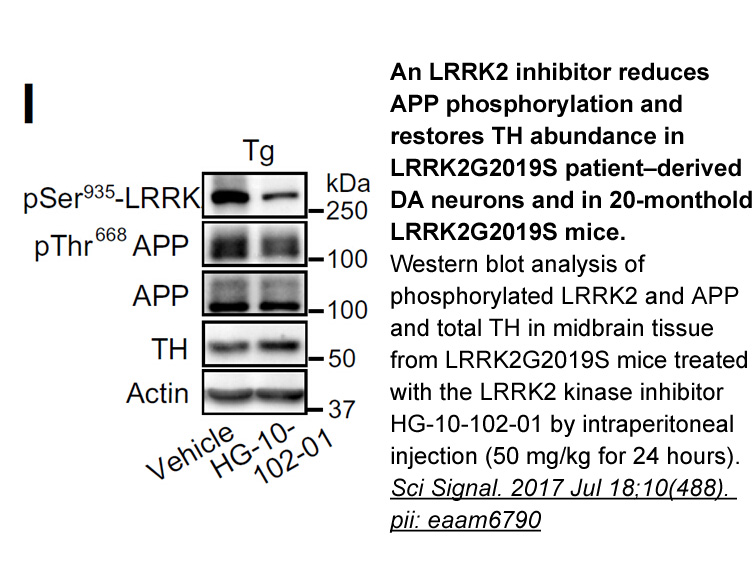
Materials and Methods Results Discussion In the present study, we investigated the postnatal expression of the two GABA receptor subunits, GABAAα1 and GABAB1, in order to determine the differential expression and regional distribution pattern of them between right and left hippocampi in the
-
Main Text FFAR GPR is a long
2022-04-19
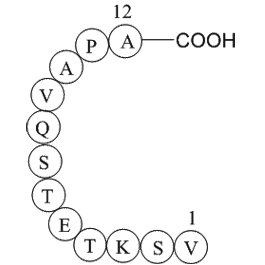
Main Text FFAR1 (GPR40) is a long-chain fatty caspofungin (LCFA) receptor highly expressed and enriched in enteroendocrine cells, where it senses LCFAs generated from dietary triglycerides, and in pancreatic islet cells, where it acts as a powerful stimulator of insulin secretion. However, the phys
-
Further our data demonstrate a role for mitochondrial AIF
2022-04-19
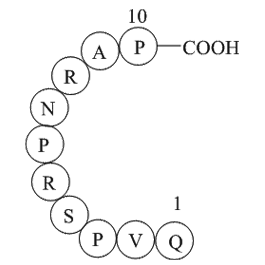
Further, our data demonstrate a role for mitochondrial AIF in oxidative cell death induced by RSL3. We found that AIF knockdown using siRNA completely protected the cytokine inhibitors against RSL3 induced oxidative stress. Similar to other pathways of caspase-independent programmed cell death, mit
-
Among the various epigenetic mechanisms involved in EwS
2022-04-19
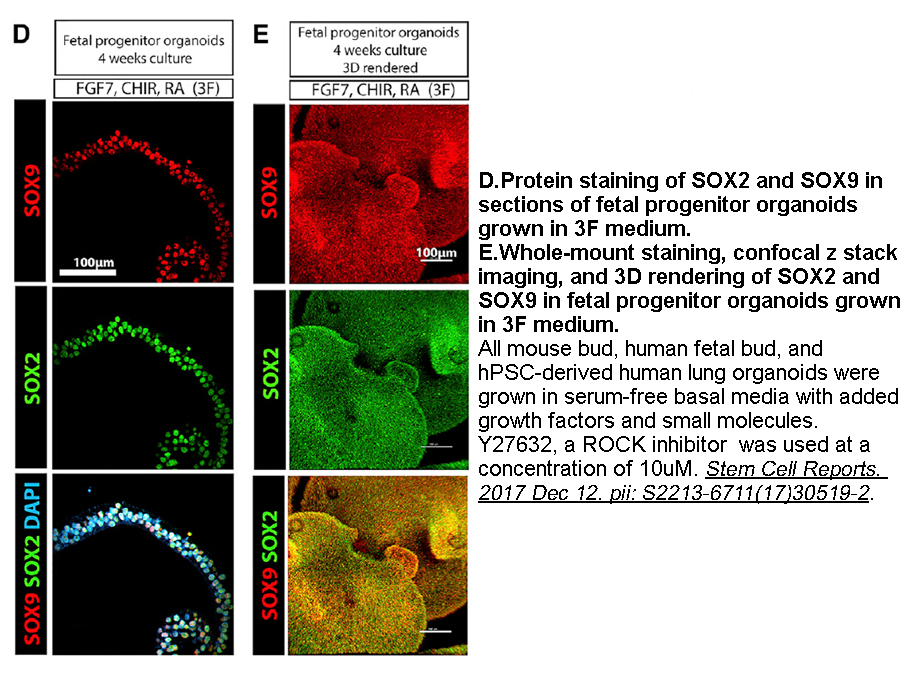
Among the various epigenetic mechanisms involved in EwS pathogenesis, we focused on the PRC enzyme EZH2, since it is a direct target of EWSR1-FLI1 and a critical mediator of malignant cell growth.24, 30 Our observation that the inhibition of EZH2 in GD2neg EwS GSK2269557 receptor induces GD2 expres
-
Over the years a number of studies have reported results
2022-04-19
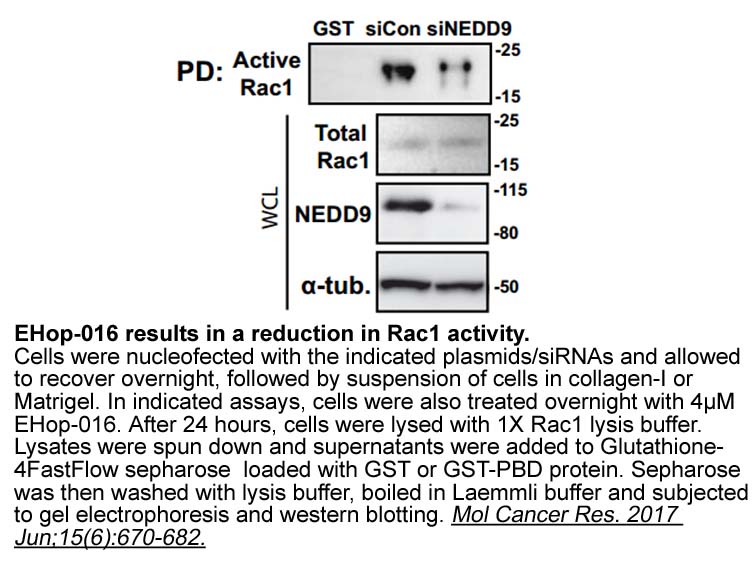
Over the years, a number of studies have reported results concerning the behavior of the two endothelin receptor subtypes, ETA and ETB, that do not fit the classical model of two G protein-coupled receptors acting independently of one another. For example, in the rat anterior pituitary gland, both E
8381 records 495/559 page Previous Next First page 上5页 491492493494495 下5页 Last page